Hiba Ghabi, Marwa Trabelsi, Alia Zheni, Syrine Tlili, Lamia Rais, Fethi Ben Hmida, Ikram Mami, Mouhamed Karim Zouaghi
{"title":"Kaposi's Sarcoma in a Kidney Transplant Recipient: A Case Report on Paclitaxel Response.","authors":"Hiba Ghabi, Marwa Trabelsi, Alia Zheni, Syrine Tlili, Lamia Rais, Fethi Ben Hmida, Ikram Mami, Mouhamed Karim Zouaghi","doi":"10.1159/000547250","DOIUrl":null,"url":null,"abstract":"<p><strong>Introduction: </strong>In immunocompromised individuals, particularly organ transplant recipients, the risk of developing Kaposi sarcoma (KS) increases significantly due to prolonged immunosuppressive therapy. The onset of post-transplant KS is highly variable, though most cases occur within the first 2 years following transplantation. The effectiveness and safety of systemic therapies, in the management of post-transplant KS are not well established. In this report, we describe a rare case of early-onset KS in a Tunisian kidney transplant recipient, revealed by deep vein thrombosis just 6 months after transplantation and successfully managed with paclitaxel as first-line therapy.</p><p><strong>Case presentation: </strong>We present the case of a 52-year-old Tunisian male who underwent a living-donor kidney transplant in June 2022. Six months after transplantation, the patient presented with deep vein thrombosis and large purplish plaques were observed on the anterior left thigh. A skin biopsy confirmed the diagnosis of KS. Further Investigations revealed systemic involvement. The patient was treated with paclitaxel-based chemotherapy in combination with sirolimus and a reduction in immunosuppressive therapy. As of November 2024, the patient had demonstrated marked clinical improvement, with resolution of KS lesions and stable renal function.</p><p><strong>Conclusion: </strong>This case of early-onset KS highlights the potential effectiveness of paclitaxel-based chemotherapy combined with sirolimus and a carefully adjusted reduction in immunosuppressive therapy as a promising first-line treatment option.</p>","PeriodicalId":9625,"journal":{"name":"Case Reports in Oncology","volume":"19 1","pages":"334-341"},"PeriodicalIF":0.7000,"publicationDate":"2026-02-09","publicationTypes":"Journal Article","fieldsOfStudy":null,"isOpenAccess":false,"openAccessPdf":"https://www.ncbi.nlm.nih.gov/pmc/articles/PMC12965734/pdf/","citationCount":"0","resultStr":null,"platform":"Semanticscholar","paperid":null,"PeriodicalName":"Case Reports in Oncology","FirstCategoryId":"1085","ListUrlMain":"https://doi.org/10.1159/000547250","RegionNum":0,"RegionCategory":null,"ArticlePicture":[],"TitleCN":null,"AbstractTextCN":null,"PMCID":null,"EPubDate":"2026/1/1 0:00:00","PubModel":"eCollection","JCR":"Q4","JCRName":"ONCOLOGY","Score":null,"Total":0}
引用次数: 0
Abstract
Introduction: In immunocompromised individuals, particularly organ transplant recipients, the risk of developing Kaposi sarcoma (KS) increases significantly due to prolonged immunosuppressive therapy. The onset of post-transplant KS is highly variable, though most cases occur within the first 2 years following transplantation. The effectiveness and safety of systemic therapies, in the management of post-transplant KS are not well established. In this report, we describe a rare case of early-onset KS in a Tunisian kidney transplant recipient, revealed by deep vein thrombosis just 6 months after transplantation and successfully managed with paclitaxel as first-line therapy.
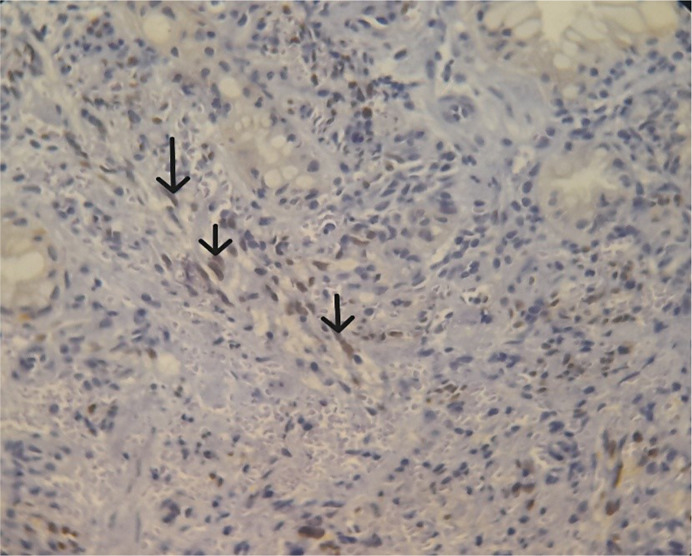
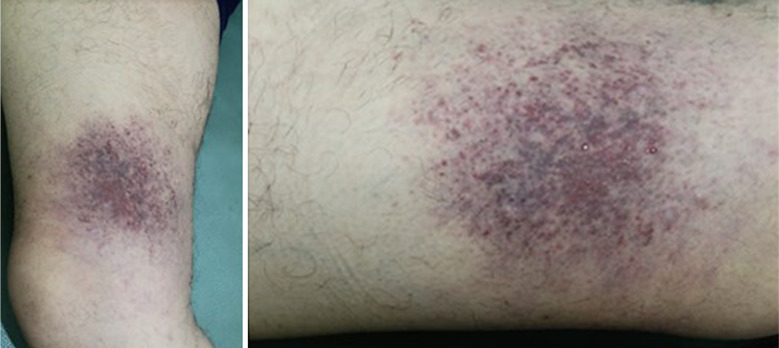
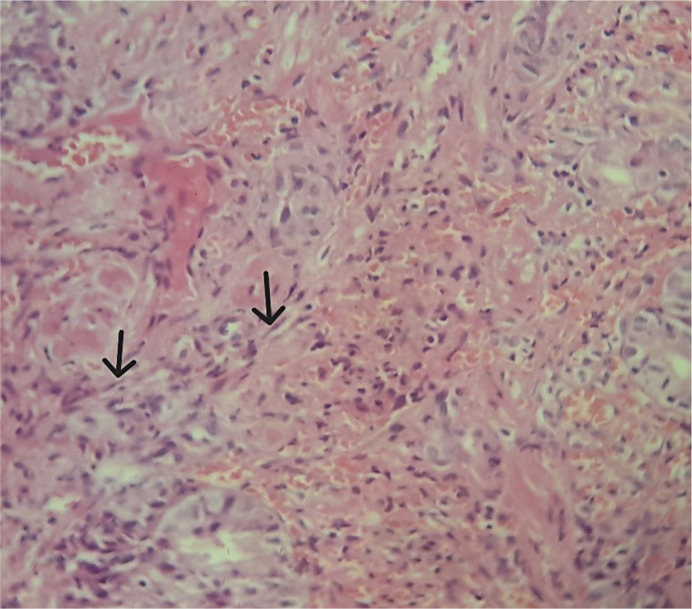
Case presentation: We present the case of a 52-year-old Tunisian male who underwent a living-donor kidney transplant in June 2022. Six months after transplantation, the patient presented with deep vein thrombosis and large purplish plaques were observed on the anterior left thigh. A skin biopsy confirmed the diagnosis of KS. Further Investigations revealed systemic involvement. The patient was treated with paclitaxel-based chemotherapy in combination with sirolimus and a reduction in immunosuppressive therapy. As of November 2024, the patient had demonstrated marked clinical improvement, with resolution of KS lesions and stable renal function.
Conclusion: This case of early-onset KS highlights the potential effectiveness of paclitaxel-based chemotherapy combined with sirolimus and a carefully adjusted reduction in immunosuppressive therapy as a promising first-line treatment option.





 京公网安备 11010802042870号
京ICP备2023020795号-1
京公网安备 11010802042870号
京ICP备2023020795号-1
 分享
分享
 求助内容:
求助内容: 应助结果提醒方式:
 扫码关注我们