
Hashimoto thyroiditis (HT) is closely associated with the development of papillary thyroid carcinoma (PTC); however, the tumor immune microenvironment and the molecular mechanisms underlying the 'inflammation-to-cancer' transition in HT-PTC coexistence remain poorly understood. In this study, we integrated single-cell RNA sequencing (scRNA-seq) data from HT-associated and PTC tissues, annotating 11 distinct cell subtypes, including endothelial cells, red blood cells, fibroblasts, follicular epithelial cells (FECs), macrophages, monocytes, T cells, NK cells, B cells, plasma cells, and mast cells. Malignant epithelial cells were identified through copy number variation (CNV) analysis, followed by differential gene expression screening and functional enrichment analysis. Cell-cell communication analysis was employed to delineate intercellular interactions, and key findings were validated using a lipopolysaccharide (LPS)-stimulated Transwell co-culture model incorporating TPC-1 cells, Nthy-ori 3-1 cells, and mast cells. We found that IL1B was significantly upregulated in malignant FECs, and differentially expressed genes were enriched in immune-related processes including antigen presentation and lymphocyte activation. Notably, IL1B- FECs specifically communicated with mast cells via the FN1/CD44 signaling axis. In vitro experiments further confirmed that, under inflammatory conditions, mast cells secreted IL-8, which activated the PI3K/AKT pathway and promoted malignant phenotypes. Collectively, these findings suggest that IL1B⁻ FECs recruit mast cells through the FN1/CD44 axis, and mast cell-derived IL-8 subsequently activates the PI3K/AKT pathway to drive the transformation from HT to PTC, providing novel mechanistic insights into the "inflammation-to-cancer" transition.
1.4亿文献
4.8万期刊
平均96.5%应助率
订阅
推荐
高校
化学
纳米材料
高分子材料
能源材料
分离纯化
能源科学
医学
生物医学
生物传感器
蛋白质组学
器官损伤与修复
代谢组学
材料科学
能源材料
光电催化
新型碳制造
碳减排
有色金属
生物学
基因学
微生物学
细胞学
生物多样性
昆虫学
更多

天津大学王雨教授课题组招收2026级博士(有机光电材料与器件方向)
天津大学王雨课题组依托智能传感功能材料全国重点实验室和有机集成电路教育部重点实验室开展科研工作,团队学术带头人为胡文平院士,拥有一流的科研平台与先进仪器设备。课题组长期从事有机光电功能材料与器件领域的
纳米人公众号
03-16
×
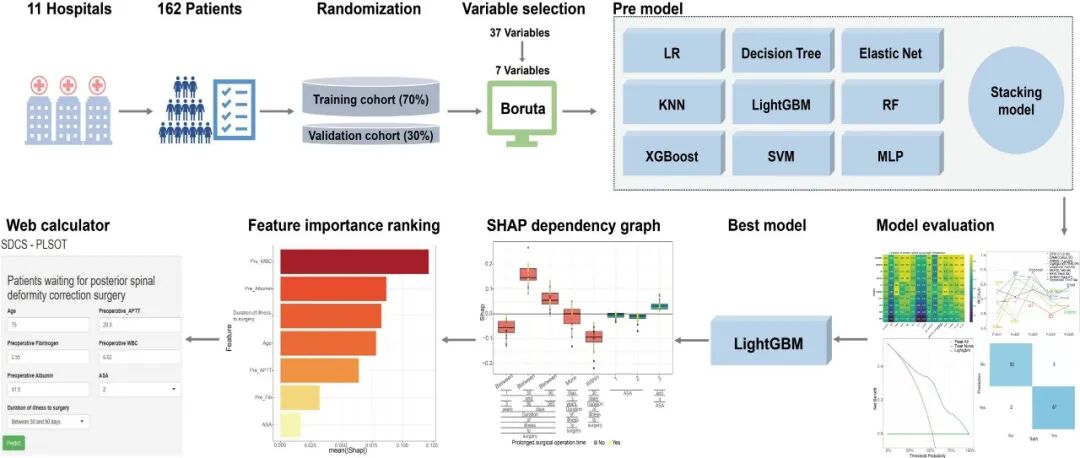
iMetaMed | 李文乐/栾昊鹏/刘强-基于机器学习的后路脊柱矫形手术难度预测及风险分层:多中心队列研究
基于机器学习构建并验证术前手术难度预测与风险分层系统,用于后部脊柱畸形矫正手术——多中心队列研究iMetaMed主页:https://onlinelibrary.wiley.com/
iMeta公众号
03-16
×
iMeta短视频 | 浙江省农业科学院李有贵团队揭示桑黄多酚抗结肠炎肠道分子机制
肠道菌群—芳香烃受体(AhR)轴介导桑黄多酚抗结肠炎作用iMeta主页:http://www.imeta.science研究论文● 期刊: iMeta (IF 33.2, 中科院双一
iMeta公众号
03-16
×

聚焦 2eu207B ORR:北京化工大学冯拥军团队系统梳理过氧化氢电催化合成核心技术与应用潜力
Review Article下载全文 过氧化氢作为一种绿色多功能化学品,在杀菌消毒、废水处理、化学合成等领域应用广泛,其高效、安全的制备技术一直是科研界和工业界的研究热点。近日,北京化工大学冯拥军
FIE能源前沿期刊公众号
03-16
×

转载 | 应对气候风险:新加坡金融管理局(MAS) 出台新指引
新加坡,2026年3月5日...新加坡金融管理局(MAS,简称“金管局”)今日发布了三份《环境风险管理指南——转型规划》(简称《指南》),分别明确了MAS对银行、保险公司及资产管理公司(统称“金融机构
可持续准则研究中心公众号
03-16
×
热点追踪|全球可持续热点追踪(第七十八期)
本周资讯 (3.1-3.7)01.NBIM、Brookfield、BCI推出新平台,拥有并收购北美的清洁能源基础设施02.安联全球投资收购德国电池储能项目50%股权03.欧盟通报中国出口茶叶农药残留超
可持续准则研究中心公众号
03-16
×
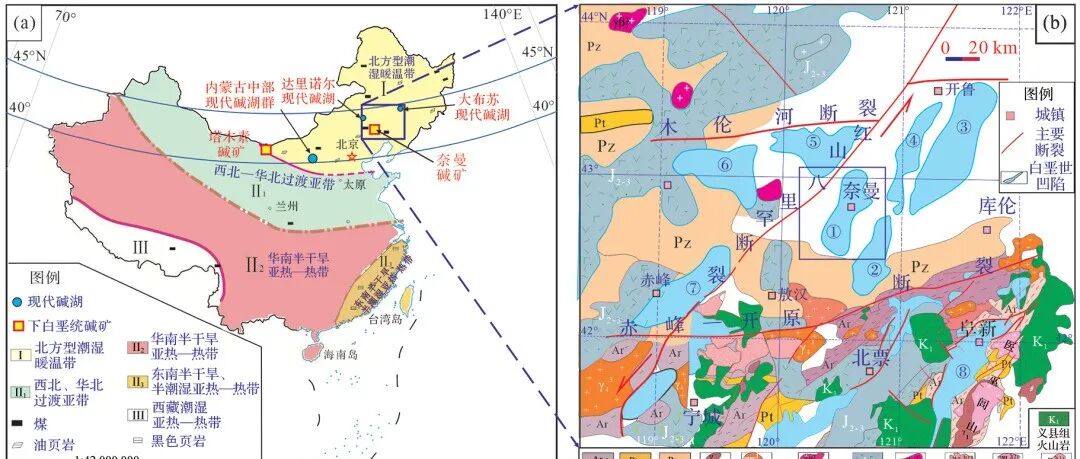
【地球科学赋能奈曼乡村振兴】世界第二大天然碱矿床成因揭秘!开鲁盆地奈曼凹陷研究取得新进展
天然碱(苏打灰)作为化工、建材、冶金等领域的关键工业原料,其形成需同时满足盆地封闭性、干旱气候强蒸发、过饱和的Na+u2212HCO3u2212卤水剖面三大苛刻条件,导致全球范围内以Na-碳酸盐为主的蒸发岩沉积极为稀
地球科学进展公众号
03-16
×
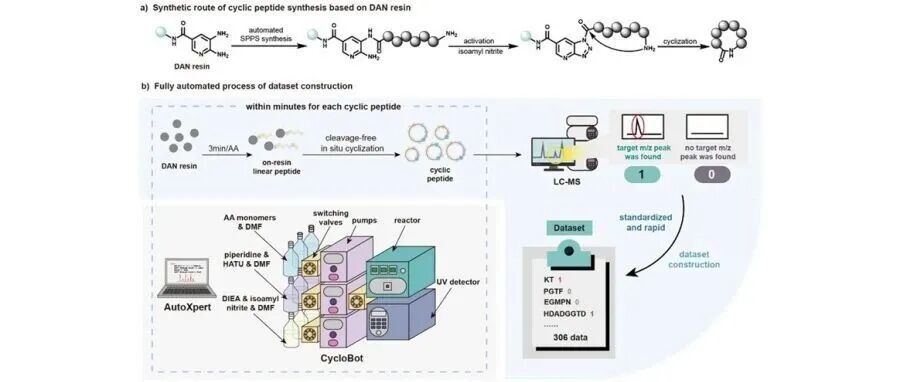
【翼享学术】从自动化合成到智能预测:CycloPepper开启环肽理性设计新时代
在多肽药物研发领域,环肽凭借高结构稳定性、强靶标结合力、优异抗酶解性,成为连接小分子药物与抗体药物的关键分子类型,在抗感染、抗肿瘤、免疫调控等方向极具应用潜力。但环肽规模化开发长期受限于环化位点选择难
科翼计算模拟公众号
03-16
×

【预存钜惠】预存当下,掌控未来
END在科学探索的征途上每位研究者都追求将复杂问题以简洁生动的方式呈现中科科翼(北京)科技有限公司致力于提供前沿的科学计算模拟技术服务高校、科研院所和研发企业我们由中科院教授和博士团队创立凭借深厚的科
科翼计算模拟公众号
03-16
×
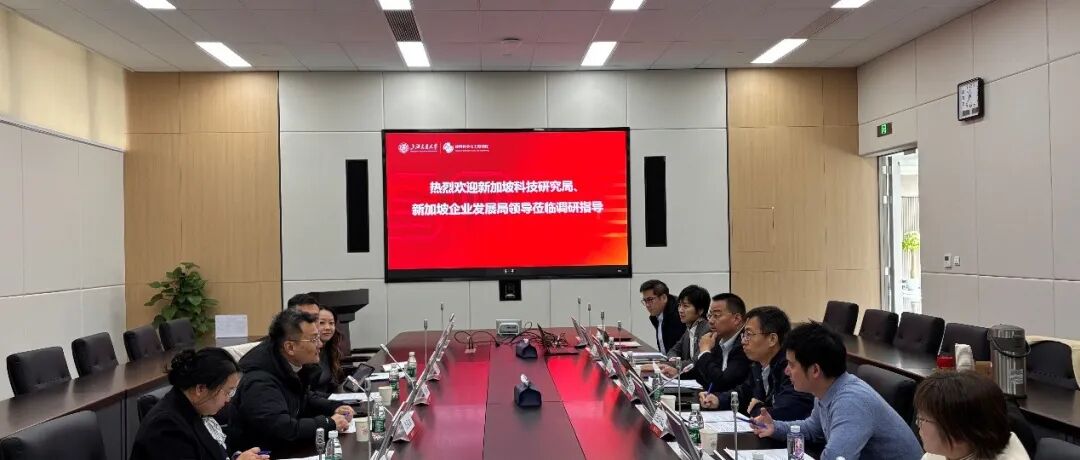
新加坡科技研究局、新加坡企业发展局访问上海交大材料学院 共探中新科技合作新机遇
3月9日,新加坡科技研究局国际产业中心副主任、企业合作中心主任陈泉成一行到访上海交大材料学院,企业合作中心经理宋婧,新加坡企业发展局中国司副司长余镇安,副处长王梦妍,上海交大材料学院院长戴庆,副院长陈
上海交通大学材料学院公众号
03-16
×
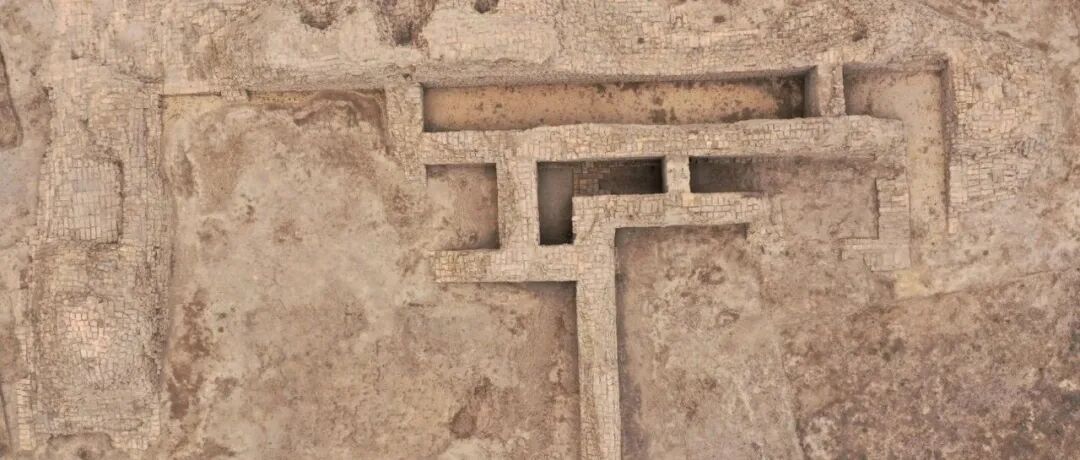
新疆吉木萨尔县北庭故城一号建筑遗址2023年的发掘
作者:中国社会科学院考古研究所 新疆维吾尔自治区文物考古研究所 北庭学研究院原文刊于:《考古》 2025年 第11期责编:昭晣 韩翰
中国社科院考古所中国考古网公众号
03-16
×
越国都城遗址考古勾勒古代城市文明脉络
浙江绍兴越国都城遗址考古取得最新成果:考古团队首次确认了距今约2500年的古越国都城大型建筑基址,实证了《吴越春秋》和《越绝书》等多部两汉时期典籍文献中的记载。《文化中国行》我们就一起走进越国都城遗址
中国社科院考古所中国考古网公众号
03-16
×
8年来,中埃联合考古队让湮没的历史渐次显影,变得真实可触——拨开时光层叠,践行文明互鉴
考古学者在埃及卢克索孟图神庙遗址区观看圣湖建筑遗址。中埃卢克索孟图神庙联合考古队供图上午9时许,在埃及卢克索孟图神庙中埃联合考古现场,风卷着黄沙掠过斑驳的石墙。在干燥灼热的空气中,几名考古人员蹲在墙下
中国社科院考古所中国考古网公众号
03-16
×

【新书介绍】奉节永安镇墓群
基本信息:编著:重庆市文物考古研究院 重庆文化遗产保护中心出版社:科学出版社出版时间:2025年11月版次:1印刷时间:2025年11月印次:1ISBN:9787030843128内容简介:奉节永安镇
中国社科院考古所中国考古网公众号
03-16
×
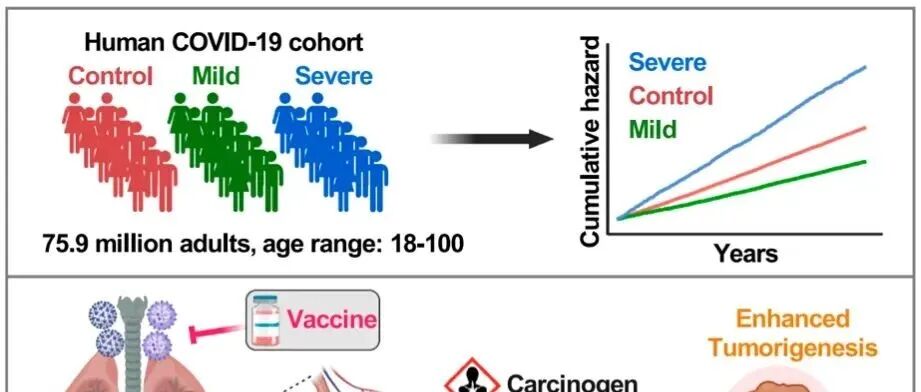
【前沿进展】Cell | 孙杰团队揭示呼吸道病毒感染的表观印记塑造后续肺癌进展
,获取更多相关资讯新冠(COVID-19)大流行从根本上重塑了全球健康格局,也让人们更清晰地认识到感染触发的并发症可以在急性期结束后长期持续。尽管多数人在数周内恢复,但仍有相当比例的人群会经历
细胞世界公众号
03-16
×

【科学普及】新研究:大脑 32 岁才成年!你的人生“黄金期”才刚刚开始!
,获取更多相关资讯老话说“三十而立”,作为一个“刻在中国人文化基因里的成长标尺”,在过去的很长时间以来,它都像是悬在二三十岁年轻人心头的一道坎,给大家带来了极大的“人生定型焦虑”,总会让人不自
细胞世界公众号
03-16
×

Cell Repu00A0|u00A0林承重/张誉/曹巍团队合作揭示肿瘤利用感觉神经抵抗氧化应激
肿瘤演进过程中常因微环境的营养匮乏、代谢“废物”、免疫攻击等而处在氧化应激状态。肿瘤如何利用细胞内、外等各种机制抵抗氧化应激仍不清楚。在生理及多种病理条件下,神经系统通过精细的神经环路和信号串扰,实现
BioArt公众号
03-16
×
Cell Metab |u00A0郭天南团队利用宏蛋白质组学揭示肠道菌群在代谢疾病与衰老中的功能特征
2026年3月13日,西湖大学医学院郭天南团队与郑钜圣团队联合中山大学陈裕明团队,在Cell Metabolism在线发表了题为Large-scale metaproteomics of human
BioArt公众号
03-16
×
Sci Adv丨欧湘红/孙青原/周长银/张雪团队揭示卵母细胞非整倍性发生新机制
与体细胞和雄性生殖细胞相比,卵子染色体非整倍性高发,这是导致女性不孕、自然流产或出生缺陷(例如唐氏综合征)的主要原因。染色体能否精确分离,是细胞分裂中遗传物质能否均匀分配给子细胞的关键,直接关系到基因
BioArt公众号
03-16
×

Natureu00A0|u00A0单碱基分辨率解析复杂性状遗传变异的调控机制
撰文 | 阿童木全基因组关联研究(GWAS)在过去十余年间迅速发展。借助大规模人群数据,研究者已经鉴定出数万条与复杂性状和疾病相关的遗传位点,为理解人类疾病的遗传基础提供了重要框架【1】。然而,统计关
BioArt公众号
03-16
×


 京公网安备 11010802042870号



 扫码关注我们